
Why the second contact feels convincing
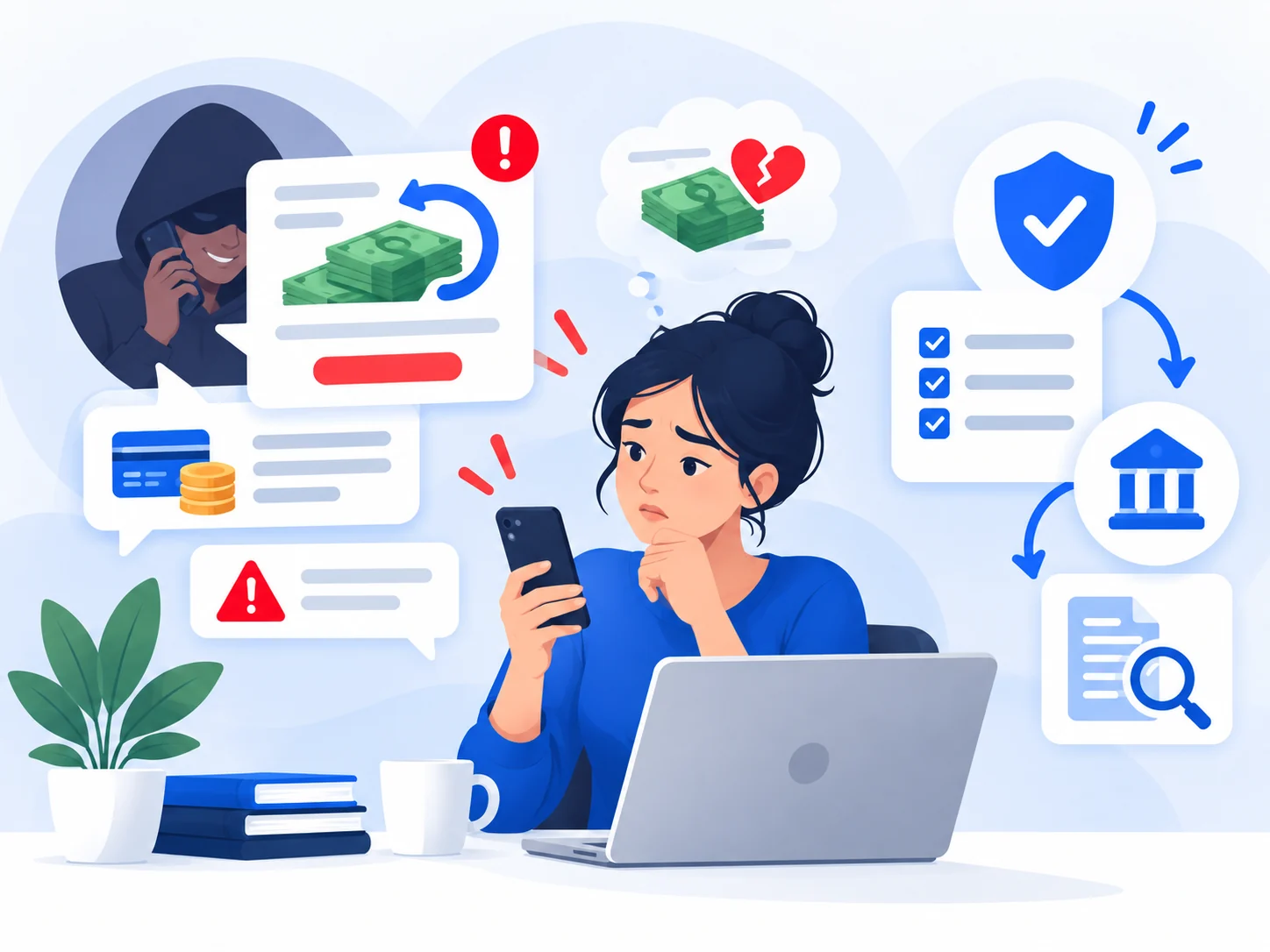
The new caller may know your name, amount lost, platform used or wallet address. That information can come from the original scammers, shared victim lists, public blockchain records, complaint posts or previous communications.
They may pose as:
- law enforcement or a regulator;
- a lawyer or claims specialist;
- a blockchain investigator;
- a recovery company;
- a bank or exchange employee;
- someone who supposedly recovered money for another victim.
The warning pattern
The person claims the money has been found or frozen, but you must first pay a fee, tax, bond, gas charge, legal retainer or verification amount. Another version asks for remote access, seed phrases, passwords or identity documents.
Verify independently
If the person claims to work for a government agency, bank, exchange or law firm, contact that organization through independently sourced details. Do not use the recovery agent’s link or phone number to verify their own identity.
Sources and references
These sources support the factual guidance and analysis on this page. For reporting, legal, financial or provider-specific procedures, follow the linked organization’s current instructions.
- Refund and Recovery ScamsU.S. Federal Trade Commission
- What To Do if You Were ScammedU.S. Federal Trade Commission
- Have you lost money to a scam? Watch for scammers who say they can helpU.S. Federal Trade Commission