
Independent, global scam-prevention guidance
Not sure if it’s a scam? Check before you click, pay or reply.
ScamMark helps you slow the situation down, verify it independently, prevent avoidable harm, and take sensible next steps if something already happened.

Explore scam types
Start with the pattern that looks familiar.

Phishing scams
Fake emails, texts and messages designed to steal information or access.
Read guide →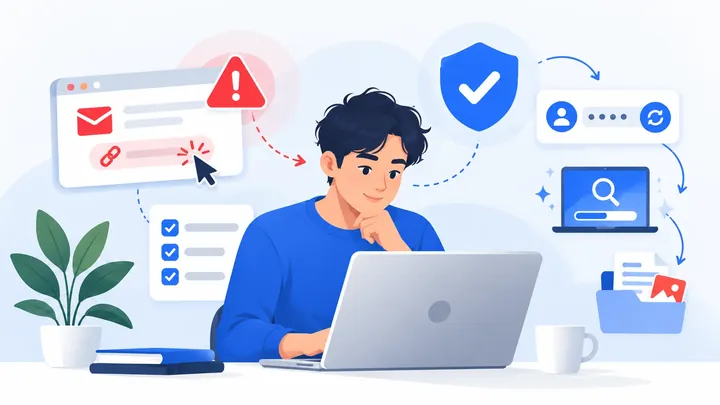
Impersonation scams
Scammers pretending to be banks, agencies, companies or people you trust.
Read guide →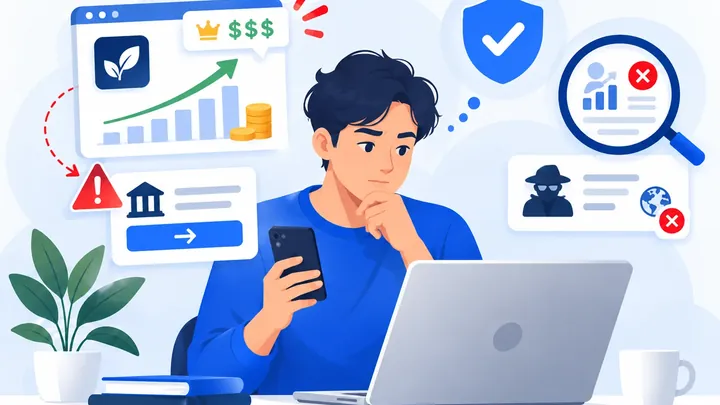
Investment scams
Promises of high returns, false platforms and pressure to move money quickly.
Read guide →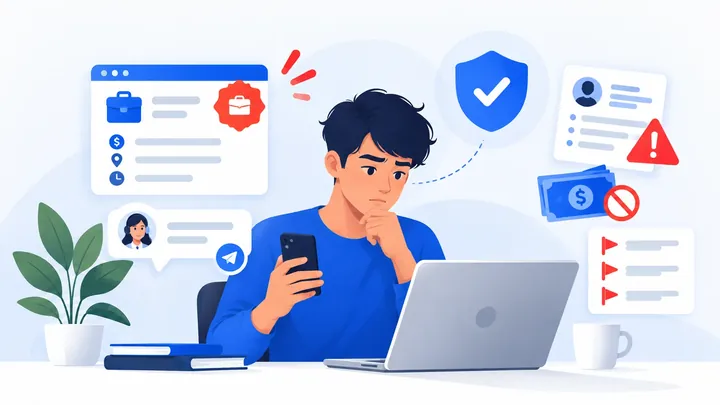
Romance scams
Manipulative relationships designed to exploit trust, identity or money.
Read guide →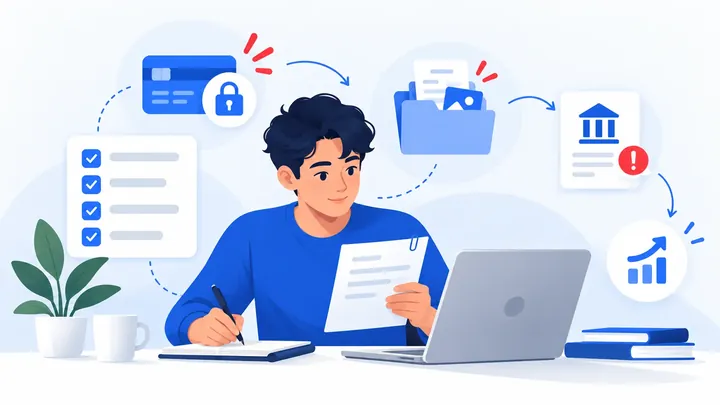
Job scams
Fake job offers, task schemes, advance fees and work-from-home traps.
Read guide →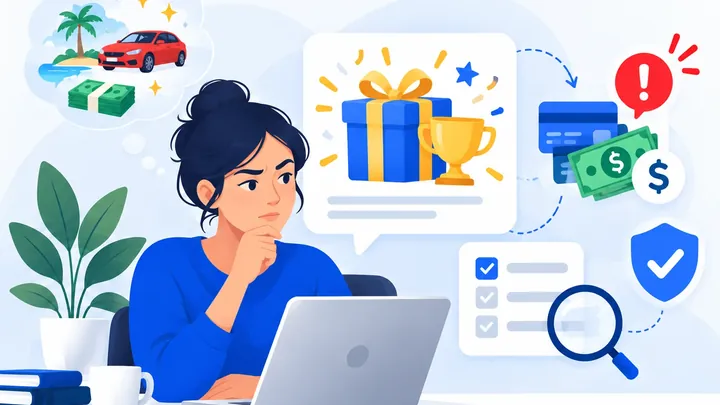
Marketplace scams
Fake sellers, non-delivery, off-platform payments and deceptive listings.
Read guide →Patterns that repeat
Different story. Same pressure.
Scam scripts change, but a few behaviors show up again and again.
Unexpected contact
A message can look familiar and still be fake. Verify through a channel you found yourself.
Pressure and urgency
Scammers try to stop you from checking. A legitimate organization can tolerate independent verification.
Controlled payment method
Be especially cautious when someone dictates a hard-to-reverse way to pay or move money.
Research, not just red flags
Understanding why scams work helps prevent them.
ScamMark reviews academic research, enforcement data and consumer-safety guidance from around the world, including useful sources published in languages other than English. We separate what the evidence shows from what it only suggests.
If something already happened
Do not spend the next hour proving it was a scam while money or account access is still at risk.
Start with the action that can still limit damage: contact the payment provider, secure exposed accounts, check affected devices, preserve evidence, then report.
How ScamMark works
Evidence first. No fear marketing.
ScamMark uses current primary sources for procedures and enforcement information, adds research where it improves understanding, and checks useful evidence across countries and languages. It separates confirmed findings from allegations and never promises that lost funds can be recovered.